

-
Customer Care
+91 9630665900
-
Email
info@indigomodulars.com
Blogs
- By INDIGO MODULARS
- 11 Jul 2026
Different Types Of UPVC Windows
Windows play a major role in how comfortable, bright, and secure a home feels. Among modern options, UPVC windows are widely used because they are durable, easy to maintain, and suitable for different weather conditions. If you are planning a new home or replacing old windows, it helps to know the main UPVC window types before you decide.
What Is UPVC?
UPVC stands for Unplasticized Polyvinyl Chloride. It is a strong, rigid material used to make window and door frames. UPVC does not rust, rot, or need regular painting like wood or metal. With proper sealing and good-quality glass, UPVC windows can reduce heat, noise, dust, and rain leakage.
1. Casement Windows
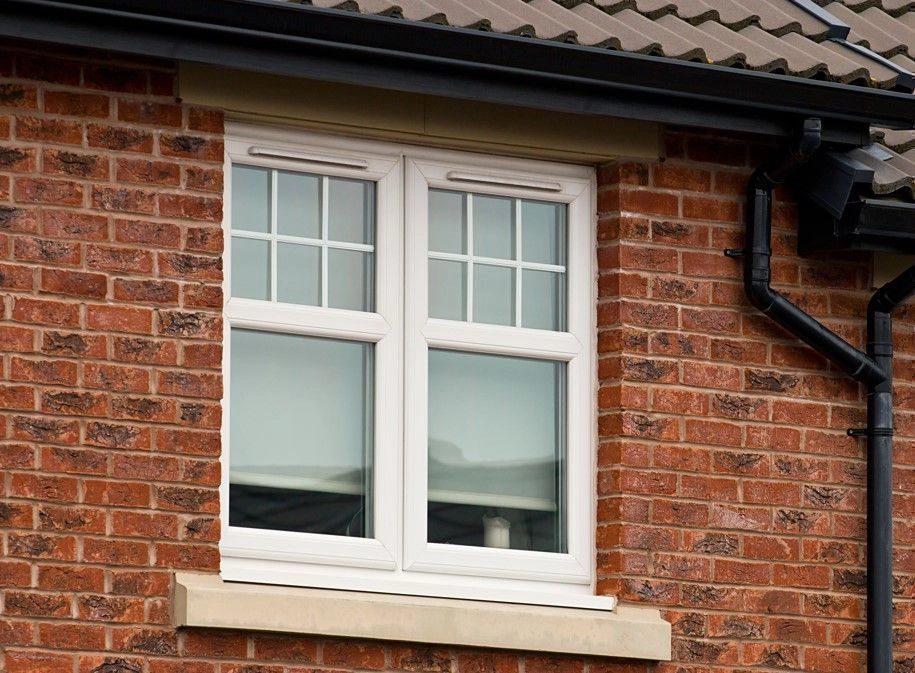
Casement windows open outward or inward on side hinges, similar to a door. They are one of the most common window types for homes and offices.
Best for: Bedrooms, living rooms, and kitchens where good airflow is needed.
Benefits: Strong sealing, full opening for ventilation, and secure locking options.
2. Sliding Windows
Sliding windows move left or right on a track. They do not open into the room, which makes them ideal for space-saving designs.
Best for: Balconies, wide openings, and rooms with limited space.
Benefits: Modern look, smooth operation, and easy daily use.
3. Tilt and Turn Windows
These windows can tilt inward from the top for safe ventilation or open fully like a casement window.
Best for: Apartments, upper floors, and rooms where controlled airflow is important.
Benefits: Safe partial opening, good sealing, and flexible ventilation.
4. Fixed Windows
Fixed windows cannot be opened. They are mainly used to bring in natural light and provide outside views.
Best for: Staircases, passages, lobbies, and decorative facade areas.
Benefits: Larger glass area, clean appearance, and lower cost compared to openable systems.
5. Bay and Bow Windows
Bay and bow windows extend outward from the wall and usually combine multiple glass panels. They add depth to a room and improve the view.
Best for: Living rooms and master bedrooms.
Benefits: More natural light, better exterior appearance, and a spacious feel indoors.
6. French and Combination Windows
French windows typically have two openable panels and are often used for balcony or garden access. Combination windows mix fixed and openable sections in one frame.
Best for: Large living areas, dining spaces, and custom home designs.
Benefits: Stylish look, design flexibility, and practical ventilation options.
How to Choose the Right Window Type
Before selecting a UPVC window, consider the room size, ventilation needs, available space, weather conditions, and security requirements. For example, sliding windows work well in compact areas, while casement and tilt-and-turn windows are better when strong sealing and airflow control are needed.
Also check the quality of the UPVC profile, glass type, hardware, and installation. A good window system is not just about design—it should perform well for many years with minimal maintenance.
Final Thoughts
UPVC windows are available in many styles to suit different homes and budgets. Understanding the basic types—casement, sliding, tilt and turn, fixed, bay, and combination windows—makes it easier to choose the right option for each room. The best choice is the one that matches your space, lifestyle, and long-term comfort needs.
